Veterinary Physical Rehabilitation
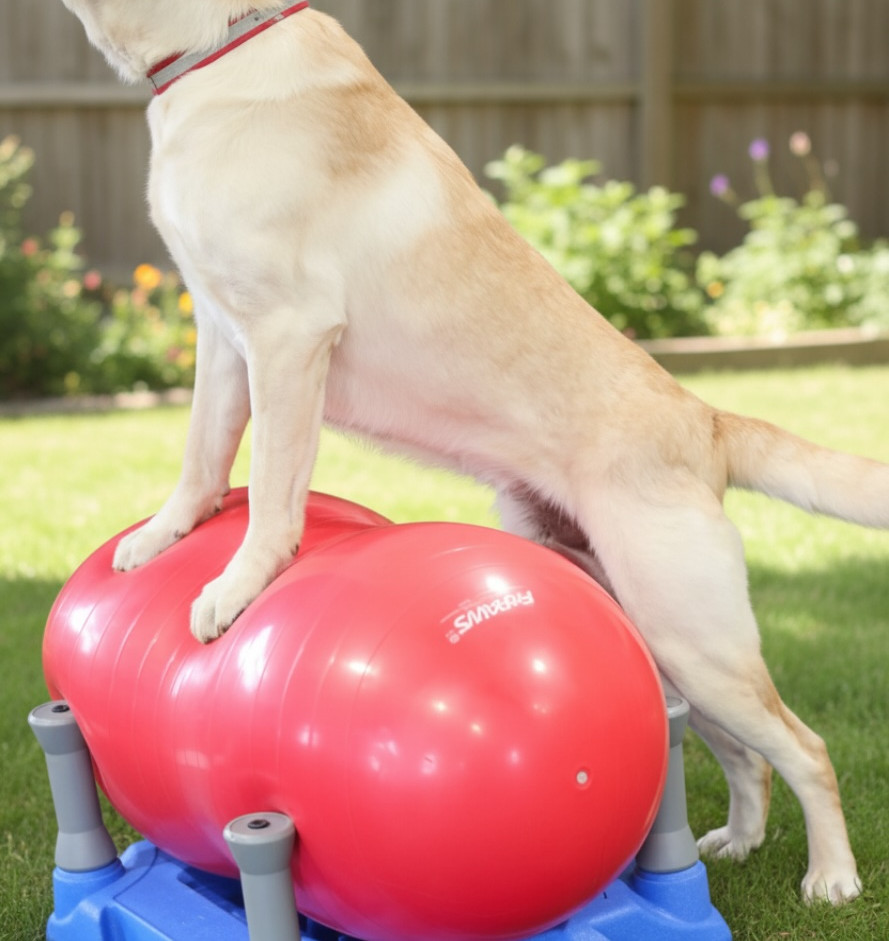
Veterinary rehabilitation is not just for recovery, it is for helping animals live their best lives. I concentrate on helping your dog or cats: Recover from surgery or neurologic injuries; Improve mobility, strength, flexibility, and endurance; Improve overall fitness; Manage pain; Reduce the risk of future injury; Helping senior animals stay active and pain-free; Thrive and optimize overall health and longevity. My Rehabilitation Toolkit includes: Therapeutic Exercise, Massage and Stretching, Hydrotherapy (Underwater Treadmill), Laser Therapy (Photobiomodulation), Electrotherapy, and Acupuncture. Safety is always a priority. It is essential to have your dog or cat's full medical history reviewed before starting a rehabilitation program. I work closely with your primary veterinarian and will need the approval of your primary veterinarian or veterinary specialist before starting a rehabilitation program with recent surgery. Some underlying diseases, such as heart, lung or airway disease rehabilitation therapy can be physically taxing and can cause harm.
Acupuncture for Animals

Acupuncture can be helpful for many conditions. The procedure involves placing needles, applying laser stimulation, or injecting fluids to specific points on your body, acupuncture points. The stimulation of those points can affect nervous system function and result in activation of neural structures like the brain, the endocrine system, and the immune system. Local effects include increased blood flow enhancing healing and treatment of myofascial trigger points. According to Traditional Chinese Medicine, pain stems from a blockage in the body’s flow of energy (Qi) and disease is often the result of imbalances. Acupuncture helps regulate the body bringing it back into balance by addressing specific points located along meridians or channels. . Benefits of Acupuncture: Strengthening of the Immune System Anti-inflammatory Effects Promotes Healing Increases Blood Circulation Pain Control Relieves Muscle Tension Overall Wellness Acupuncture can help manage and support conditions such as: Cancer Side effects of Cancer treatments like nausea and vomiting Digestive Problems Kidney and Urinary Tract Problems Liver and Heart problems Skin conditions Allergies Neurologic disorders Pain management Osteoarthritis Musculoskeletal conditions Myofascial trigger points General wellness and health support What is Balance Method Acupuncture? This is a unique method developed by Dr. Richard Teh-Fu Tan rooted in Classical Eastern philosophy. It uses distal limb points helping the body restore balance supporting its own healing. It is noted for its rapid results using less needles. Is acupuncture safe? It is generally considered safe and is usually well tolerated. I only use sterile single-use needles. However, it may be contraindicated in some patients: bleeding disorders, immunodeficiencies, pregnancy, and some cancers As with any treatment some patients may experience soreness, weakness, worsening of their symptoms or condition, the needles can potentially puncture and injure organs, nerves, and some patients may try to ingest needles. If your dog or cat is apt to do so I do require close monitoring by a family member or use of a muzzle to ensure this does not happen.
Laser Therapy

Certain wavelengths of light can affect tissues at the cellular level. This light, in the form of photons, can help cells produce more cellular energy which helps cells repair and grow. Benefits of Laser Therapy: Improve blood flow Anti-inflammatory effects Promote healing Pain Control Relieves Muscle Tension I use a class IV non-thermal laser. Conditions treated: pain inflammation swelling osteoarthritis musculoskeletal injury neurologic disorders wound healing Is Laser Therapy safe? Eye protection is essential and protective eye wear is provided. Laser can damage the eye (retina). Burns can happen with some types of lasers. It may be contraindicated in some patients so it is important to disclose your pets medical conditions. It is contraindicated directly over a tumor, area of bleeding, pregnant uterus, or growth plates. Animals diagnosed with lymphoma and other cancers or taking immunosuppressant medications should not be treated with laser.
Therapeutic Exercise
.jpg)
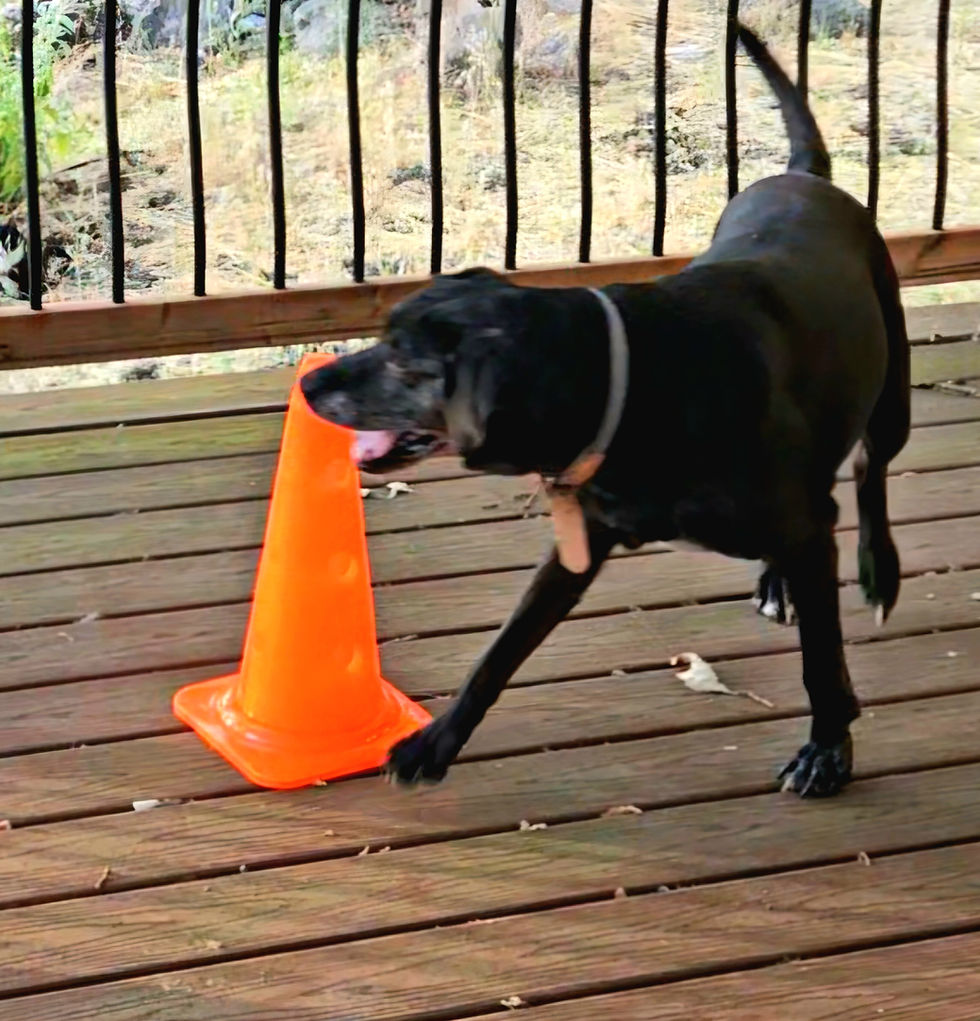
Therapeutic exercise is a structured, medically guided physical activity program designed to: 1. Improve muscle strength, flexibility, balance, body awareness, coordination, endurance as well as restore function and limb use in dogs and cats recovering from musculoskeletal and neurological conditions. 2. Helps improve and maintain performance, fitness and conditioning of the family companion as well as performance, working, and sporting dogs. 3. Regular exercise curbs boredom and anxiety, preventing the destructive behaviors they often cause. It promotes calmness, sharpens focus, and accelerates learning of new skills. Additionally, indoor games and exercises stimulate cognitive function which can improve social behavior. Benefits of Therapeutic Exercise: Improve strength, mobility, and function Prevent muscle loss Enhance cardiovascular fitness Reduce pain Maintain and enhance activities of daily living (climbing stairs, getting in and out car) Prevent future injuries by improving quality of movements, strengthening the body, and correcting compensations Post-surgical recovery: Restoring balance, coordination, body awareness, muscle strength, limb use and gait retraining Neurological Disorders: Restoring and maintaining balance, coordination, body awareness, muscle strength, limb use and gait retraining Weight management Conditions Treated: Neurological Disorders : Intervertebral Disk Disease (IVDD), Degenerative Myelopathy, Fibrocartilaginous Embolism Musculoskeletal Disorders and Surgeries: Cranial Cruciate Ligament Injury, Patella Luxation, Hip Dysplasia, TPLO surgery Arthritis Management Weight Management Conditioning and Fitness for sporting and working dogs No equipment at home? I try to design a program that fits your dogs needs and your needs using household items.
Mobile Hydrotherapy: Underwater Treadmill
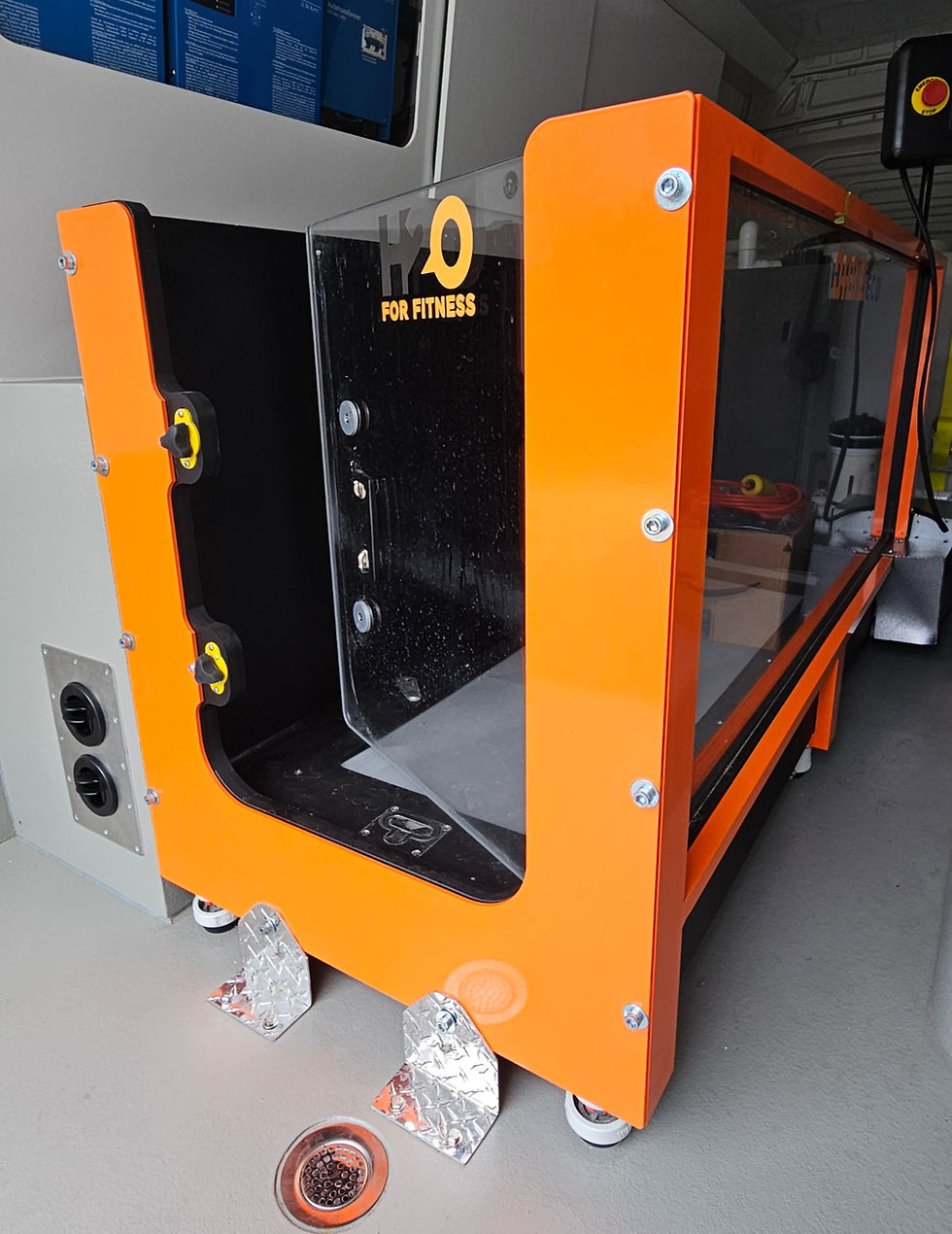
Offering a mobile underwater treadmill the benefits of hydrotherapy can come straight to your home. Utilizing warmth, buoyancy and resistance of water in a controlled environment hydrotherapy offers a low-impact exercise that provides a wide range of physical benefits for your pets: Boosts mobility: Improve balance, strength, and joint flexibility May reduce risk of injury due to improved strength and coordination Retraining gait and limb function with neurologic conditions or musculoskeletal injuries Reduces pain Soothes sore muscles and joints, reducing muscle tension and taut muscles Improved blood circulation which helps reduce inflammation, swelling and enhances removal of pain-causing metabolic byproducts from tissues Sharpens cognition: Stimulates brain activity Cardiovascular fitness and stamina Build a strong defense against illness Enhances daily functioning and quality of life Conditions that may benefit from hydrotherapy: Neurologic injury and disease: Intervertebral disk disease, fibrocartilaginous emboli, degenerative myelopathy, vestibular dysfunction Orthopedic or musculoskeletal injury and disease: elbow dysplasia, hip dysplasia, cruciate ligament injury Recovery from musculoskeletal surgery (surgeon approval always required first!) Older pets - exercise not only helps maintain mobility but it may help delay cognitive decline Osteoarthritis Obesity Age-related muscle loss Recovery from cancer and cancer treatments Healthy pets benefit from hydrotherapy! How Healthy Pets Benefit From Underwater Treadmill Therapy By supporting their joints while challenging their muscles and cardiovascular system underwater treadmill sessions help your pet stay active and strong, manage their weight, and strengthen their defense against illnesses. Moderate intensity exercise is optimal for cancer prevention in other species. Results from a study published as a part of the Dog Aging Project physical activity was associated with reduced risk of cognitive dysfunction. (https://pmc.ncbi.nlm.nih.gov/articles/PMC9886770/) While no guidelines exist for dogs and cats and research is very limited, hydrotherapy provides a low-impact way for dogs and cats to achieve moderate to vigorous exercise levels and can be a part of an overall health maintenance program. Hydrotherapy may not be appropriate for some pets: recent surgery, open wounds, cardiovascular or respiratory problems
Nutraceutical and Supplement Support

Many natural ingredients can support your pet’s mobility and overall health. From natural anti-inflammatories to joint supplements like Glucosamine and muscle-building Fortetropin, these products are known as nutraceuticals. Nutraceuticals are derived from food sources, but have health benefits beyond nutritional benefits. Nutraceuticals and other supplements can be a wonderful way to support health with some caveats. While these natural products may offer incredible benefits, pet parents must shop carefully. Unlike synthetic prescription or over-the-counter medications, these products are not regulated or approved by the FDA before they hit the market. Because manufacturers are not legally required to prove a product's safety or effectiveness before selling it, product quality and purity can vary wildly between brands. Navigating through the different choices for these products can be overwhelming. I provide guidance to help you build a customized wellness plan tailored specifically for your dog or cat. Together, we can ensure your pet gets the exact support they need to thrive.
Orthotics and Bracing
Orthotics, or braces, can be used to support or protect an injured or weak limb and improve or encourage correct use of a limb. These braces can be rigid or flexible, custom designed or fitted based on size of the limb. The type depends on your pet's condition. Bracing may help pets with conditions such as medial shoulder instability, carpal valgus or varus, carpal hyperextension injury, cranial cruciate ligament injury. Limb amputations also benefit from the added support for the remaining limb. Having a proper fitting brace with the correct flexibility or rigidity is crucial to prevent injury (pressure sores, abnormal motion of joints). Limb measurements are required for soft flexible braces. For rigid braces or semi-rigid braces a cast mold of the leg is typically required depending on the brace. I have partnered with Wimba which offers custom orthoses using 3-D scanning. This is an innovative technique using a smartphone to capture measurements without the need of casting for custom orthotics. Once your dog or cat starts wearing the brace it is important to monitor your pet and have a veterinarian follow-up with your dog or cat to ensure proper fit. Muscles and weight can change requiring re-fitting of braces. Continued at home monitoring and periodic veterinary rechecks is recommended. The big question: will my dog or cat wear the brace? Depending on your pet it may take some time and a lot of positive reinforcement to encourage use of the brace. They may shake it off, chew at the brace, refuse to walk, or vocalize. This is not unusual, but you will be surprised how they can adapt if you go slow and make it a positive experience. Often companies that offer custom hard braces provide you with instructions to help your dog or cat adapt to the brace.
Electrotherapy
Electrotherapy is a procedure that sends electrical impulses to nerves. Low levels of electrical stimulation can help decrease pain and inflammation. This procedure is called Transcutaneous Electrical Stimulation or TENS. Stronger, but nonpainful, electrical stimulation can cause muscles to contract. This is important to prevent muscle atrophy or to strengthen muscles. It allows muscles to contract without actually using the limb. This is especially useful for pets with neurologic conditions or during post-surgical recovery. What to expect: The procedure requires use of electrode pads and a gel which is applied to the skin. In some cases thick dense haircoats will need to be clipped and we can discuss this if it is necessary. A handheld electrical simulation device is used. Sessions are typically short and may be incorporated with therapeutic exercises.
Telemedicine
Telemedicine Evaluations can be used for the following (for CA residents only): * Evaluate your dog's mobility and discuss their symptoms. * Provide guidance on exercises and therapies that can be done at home. * Provide information on environmental and lifestyle modifications and supplement guidance. * Provide guidance with assessing and managing quality of life and pain control. * Ongoing support for personalized treatment plans. * Progress Tracking. Monitoring of your dog or cat's progress in a rehabilitation exercise program and make adjustments to the plan as needed to ensure optimal results.
New Rehabilitation & Acupuncture Patients
Initial Consultation & Examination
I perform a complete physical examination including a neurologic exam and orthopedic exam and obtain measurements of joint angles (goniometry) and girth to get baseline values for your dog or cat depending on the nature of your dog or cat’s condition. This helps us see if we get improvement with your dog or cat's treatment plan.
A Traditional Chinese Veterinary Medical (TCVM) examination may also be performed depending on your goals. The TCVM exam involves examining the pulse, tongue, and obtaining more details of your dog or cat’s history.
Collaborative Care
For optimal care of your dog or cat working with your primary veterinarian is essential. I will provide your veterinarian with updated reports. I do not offer lab testing or diagnostic imaging (X-rays, CT scan), but I may recommend specific blood tests or X-rays that can be performed at your primary veterinarian’s practice.
Recent Surgery
If your dog or cat has had surgery within the last 12 months be sure to have your veterinary surgeon’s medical records as well as their approval for physical rehabilitation services submitted with your appointment request. You can upload the files when filling out the contact form.
Pre-Visit Intake
Prior to your first visit I ask that you complete an intake questionnaire and provide me with your pet’s medical records. You can upload the files when you fill out the contact form.
Comfort and Stress Management
Your Customized Plan
My goal with every patient is to do a thorough examination as well as minimize stress and establish trust with my patients. This is especially important for patients receiving acupuncture treatments and rehabilitation therapy. I utilize several methods to help minimize stress - from the use of calming pheromone sprays and essential oils to having tasty treats. In rare instances I may not be able to complete parts of the exam at the first visit, such as joint angle measurements. I will be sure to discuss alternative options with you at the time of the visit.
Based on your pet’s condition, goals, and plan I may teach you acupressure, massage, stretching, therapeutic exercises. An initial acupuncture treatment or laser treatment may also be performed.
Pricing
New Consults ( 1.5 - 2 hours) range from $500-$550 depending on travel distance. Extra charges for more than 50 miles
Follow-up Appointments: Pricing based on time and travel distance.
One hour appointments range from $325-$375.
Two hour appointments range from $400 - $455 and include multiple therapies (acupuncture, therapeutic exercise, laser, hydrotherapy) depending on your dog or cat's needs and temperment.
Extra charges for more than 50 miles.
DISCOUNTS.
Package bundles are available as well as discounts for First Responders and Veterans.